
Betty
Lane
American Expressionist whose landscapes fused French modernism with a reverence for nature.
A general's daughter in Washington
— CHAPTER IBetty Lane was the youngest of six children born into a prestigious family in Washington, D.C. Her father was an esteemed Marine Corps general who traveled frequently, taking his family with him on longer assignments. Betty was a beauty who grew up surrounded by her father’s distinguished associates and socialites, all showering her with attention for her looks and for being a child prodigy. At a young age, Betty played the violin and excelled in both art and music, much of which was self-taught. Academia was another story, and the fact that she was not a good student appeared to have haunted her throughout her life, at times leaving her self-critical and doubtful of the value of her work.
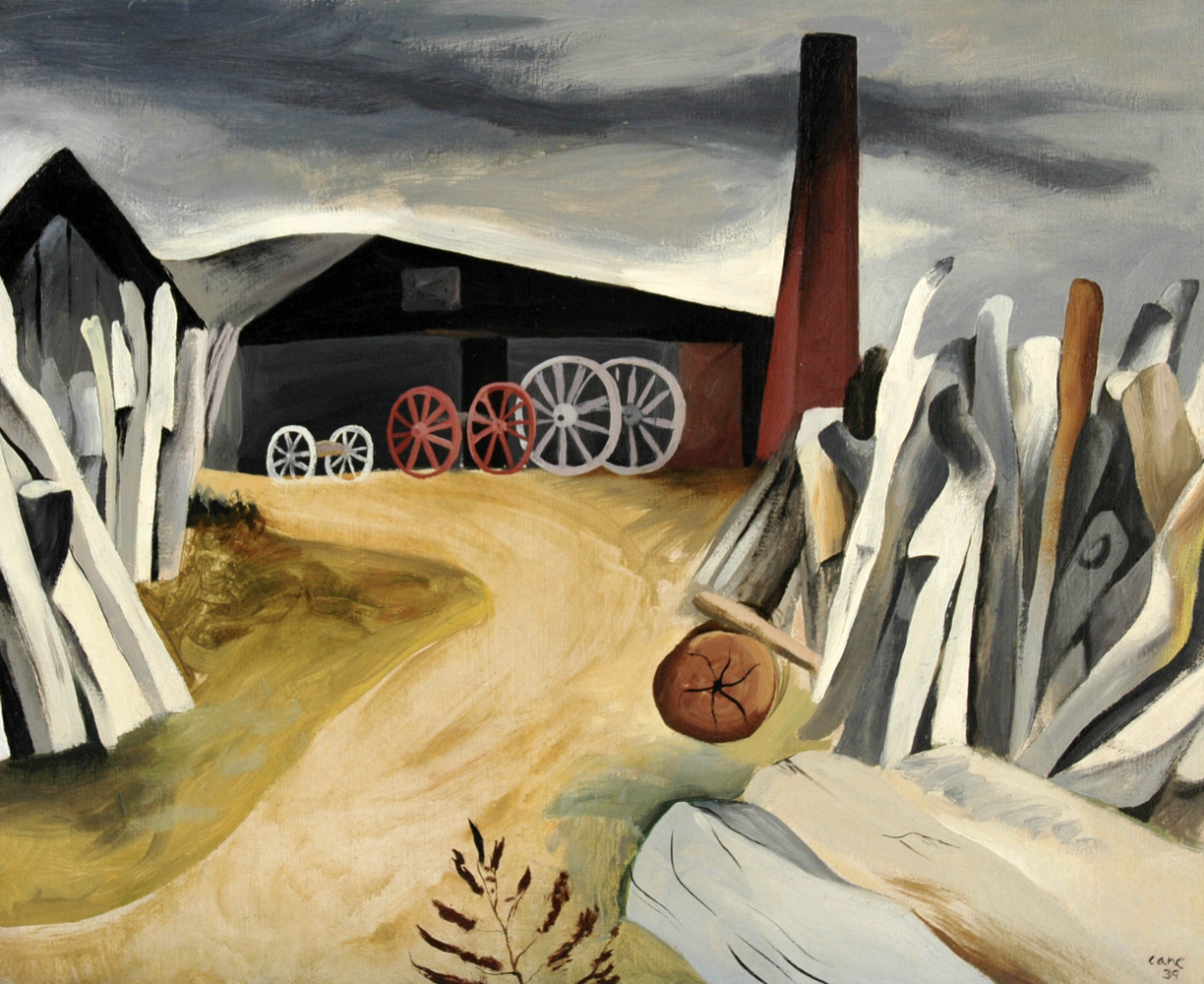
Rye, 1939, Oil on panel
Santo Domingo, age eleven
— CHAPTER IIIn a memoir before her death, Betty recalls a unique visual at the age of eleven describing her love for nature on the beach in Santa Domingo, where her father was overseeing the Department of Justice and Education on the island.
Corcoran, Boston, and a cousin's generosity
— CHAPTER IIIUpon graduating from high school, Lane attended the Corcoran School of Art in DC, but soon thereafter attended the Massachusetts Normal Art Studio, now the Massachusetts College of Art. Her dream was to go to Paris and study art; however, the family’s finances prevented her from traveling until, at the age of 21, a wealthy cousin paid for her trip.
In Paris, she spent time crammed into a dark studio in a back alley to study with the French cubist painter Andre Lhote. Aside from teaching at the Académie de la Grande Chaumière, Lhote founded his own academy in Montparnasse, where artists like William Crozier and Henri Cartier- Bresson sought his guidance. After a year of Parisian partying and studying with Lhote, Lane felt obliged to return home to her family in Falls Church, Virginia, where she was reluctant to live a provincial life and longed to return to Europe.
The Phillips, and a nod from Matisse
— CHAPTER IVBetty’s mother, who supported her daughter’s artistic indulgences throughout her life, soon found her an apartment in Washington, D.C. It was in D.C. where Lane found inspiration and solace at the famed Phillips Memorial Gallery. The Phillips soon took a keen interest in Lane’s artwork, and at the age of 24, she had her first exhibition at their gallery.
Clearly an observer of the rural and the urban, Lane’s works with watercolor and oil, vivify a contemporary expression yet retain a sense of timelessness. Especially the richness reflected in her landscapes. At a young age, her talent in the art world became evident, and she received a nod from the famous painter Henri Matisse, which delighted her and more than likely cemented her belief in her work. Shortly after her paintings were sold (many to Phillips), she returned to Europe, where she met her husband, Canadian filmmaker Gerald Noxon.
“The tropical sky was full of stars, and as I was already given to sky worship and solemn resolves, what that was or how that was done, I wasn’t sure, but I carved my name on a tree early the next morning to make sure.”
— Betty Lane, from her memoirCambridge, Paris, and rural Canada
— CHAPTER VThe couple lived between Cambridge and Paris until WWII forced them to move to rural Canada, not far from the Niagara Falls. In 1936, Betty gave birth to their son Nicholas, and despite a tumultuous marriage, Lane continued to produce a large volume of work, having shown in the prestigious St. Etienne Gallery in New York and the Whyte Gallery in Washington, D.C. Perhaps it was Lane’s desire to be fiercely independent that, after 20 years of marriage, led her and Gerald to divorce.
Cape Cod as playground
— CHAPTER VIIn 1950, she moved to Cape Cod and for fourteen years became a teacher at Miss Porter’s School in Farmington, Connecticut. In teaching, she became a student again, continuing to travel, experiment with wood block print, silkscreen, ceramics, and glass. Her son described Cape Cod as her playground, a simple home near the woods that was steeped in her love for nature and her art.
In 1977, Lane became an associate of the Women's Institute for Freedom of the Press (WIFP). The American nonprofit that seeks to increase communication between women and the media, lending its support to women-based media.
"The best of French modernism united with American reverence for the majesty of nature and the joys of a life unencumbered."
— Jeremy Tessmer, Gallery Director, Sullivan Goss Gallery, Santa BarbaraCubism, Fauvism, and a refusal to theorise
— CHAPTER VIIClearly, Lane’s work can be seen as a combination of Cubism and Fauvism. Her work showcases a wide range of smoothed and harmonious blends of colorful landscapes and distinct, reflective portraits. Betty continued to be devoted to her art until a few years before she died in 1996.
"I'm sure it is time I made another effort to understand these people who talk so much about painting… but I've never read anything I liked or that seemed even to approach what painting is all about… I see things that look wonderful and then I paint them to look as wonderful as I possibly can."
— Betty LaneBetty Lanen
1907 – 1996. American Expressionist
Cite this essay
Howe, M. "Betty Lane." AFWA Archive, Updated September 2026.
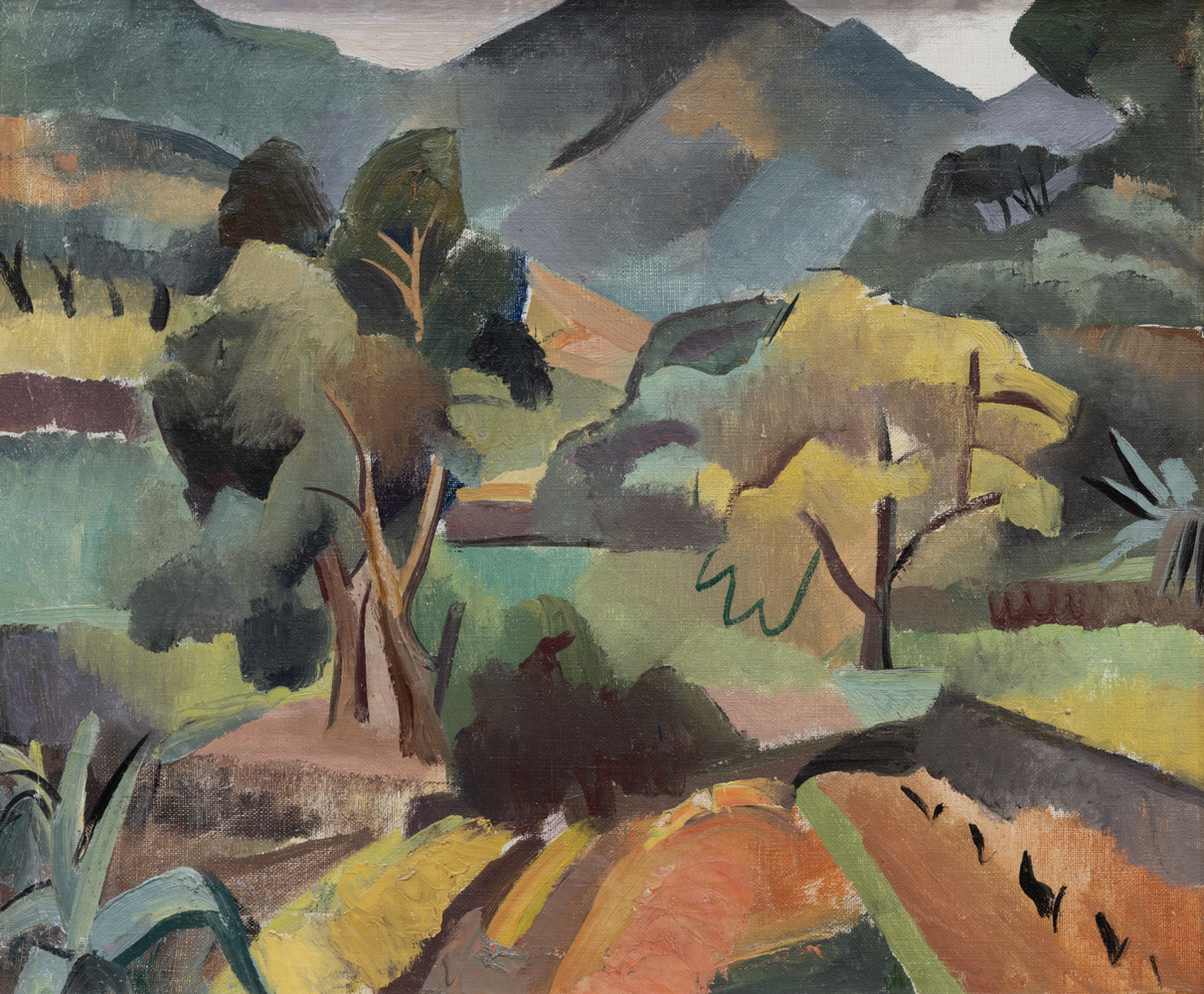
Untitled (Provençal Landscape), c. 1929, Oil on canvas
SELECTED WORKSWORKS
Rye, 1939, Oil on panel, 18 x 22 inches
Untitled (Provençal Landscape), c. 1929, Oil on canvas, 14 1/2 x 17 1/2 inches
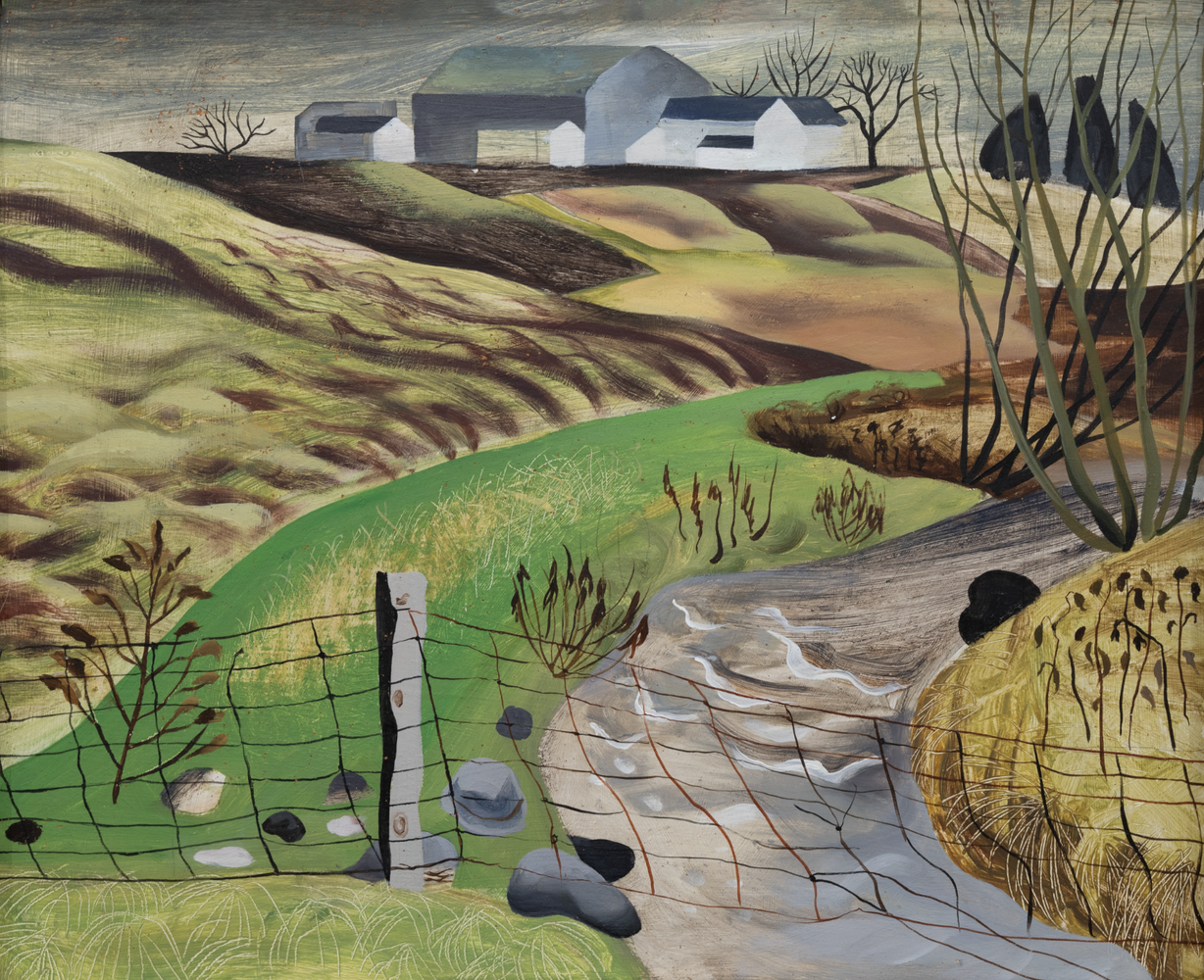
Zimmerman’s Farm, c. 1942, Oil on maisonite, 17 1/2 x 21 1/2 inches
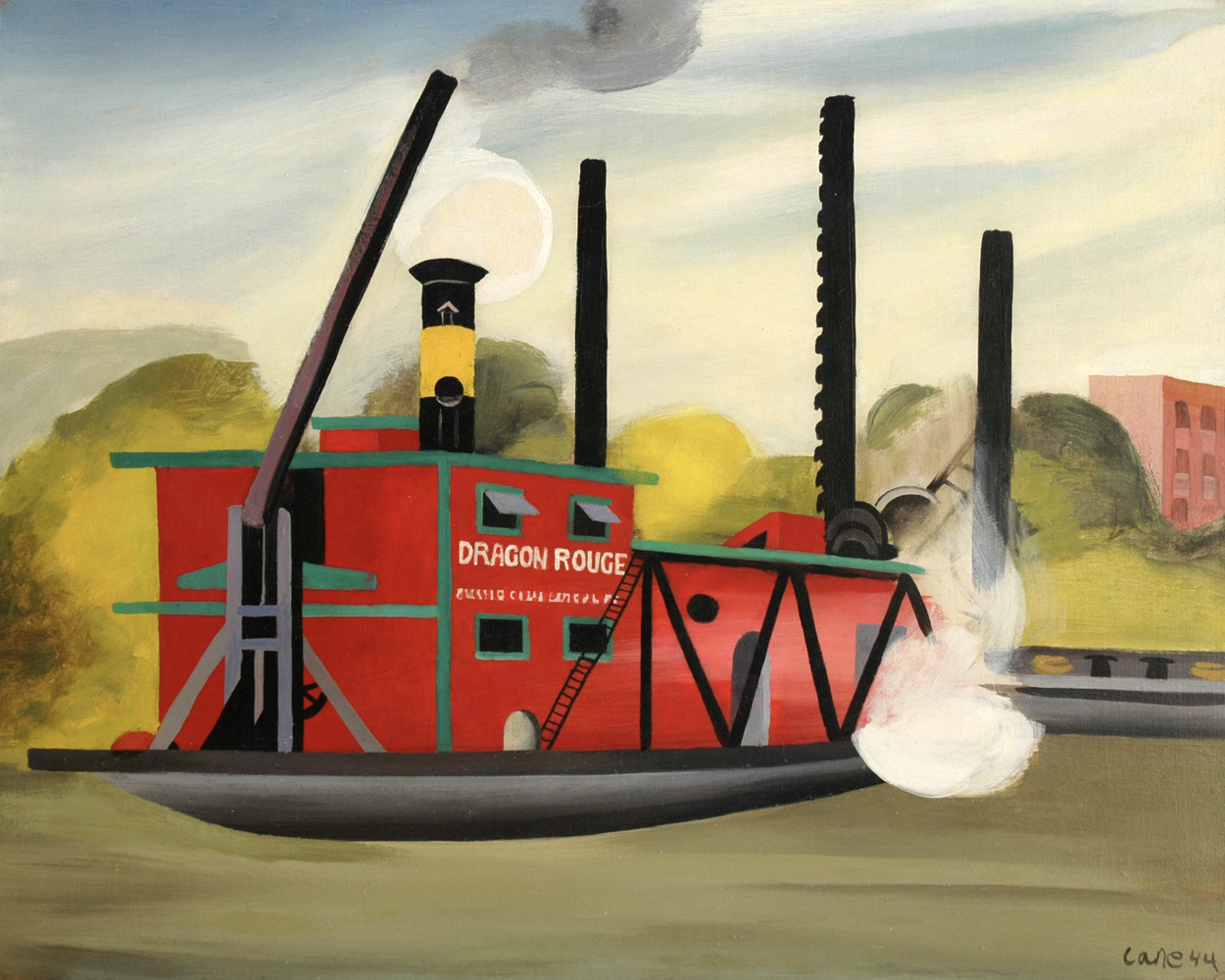
Dragon Rouge, 1944, Oil on board, 16 x 20 inches
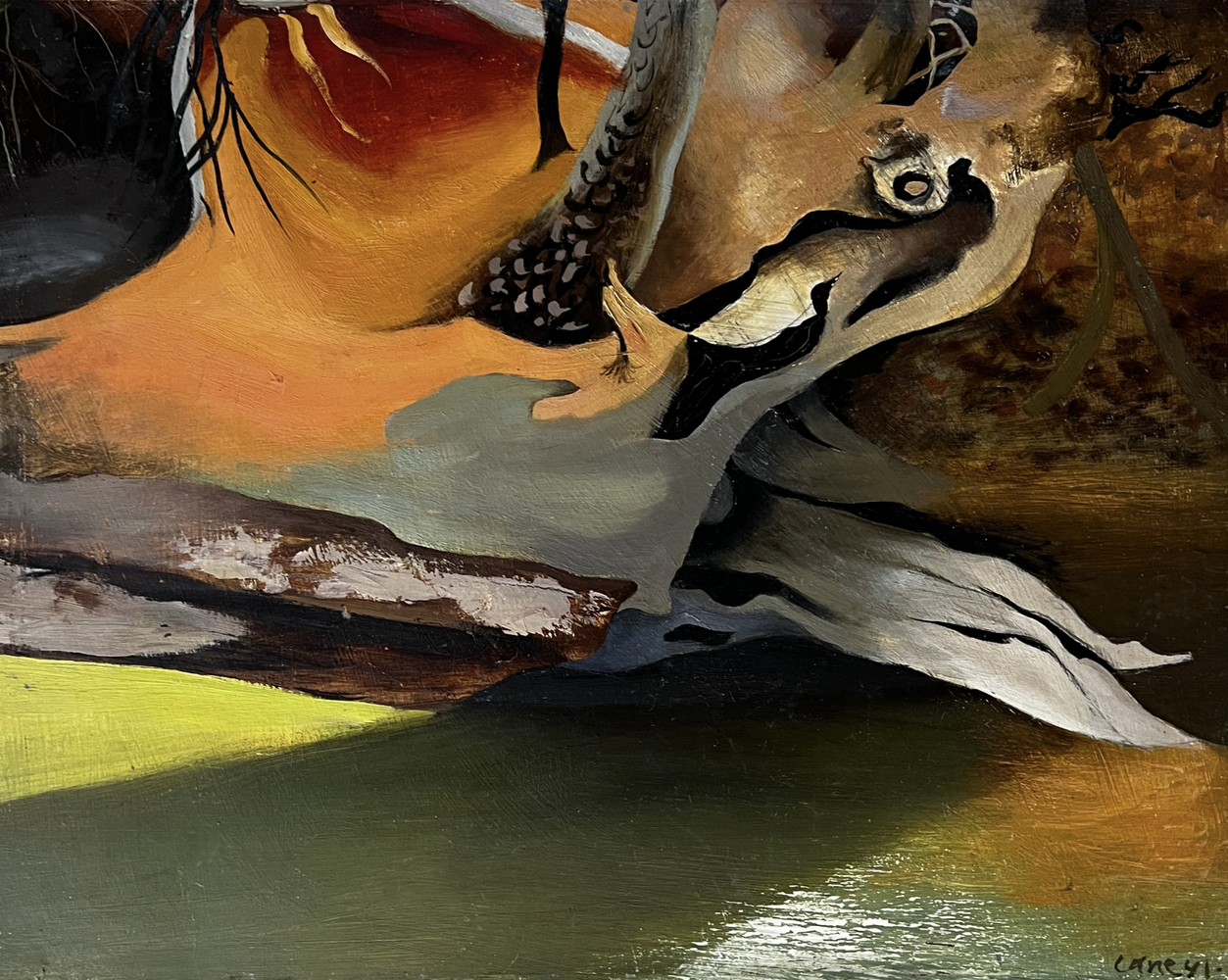
Untitled (A Tree in the Forest), 1941, Oil on board, 16 x 20 inches
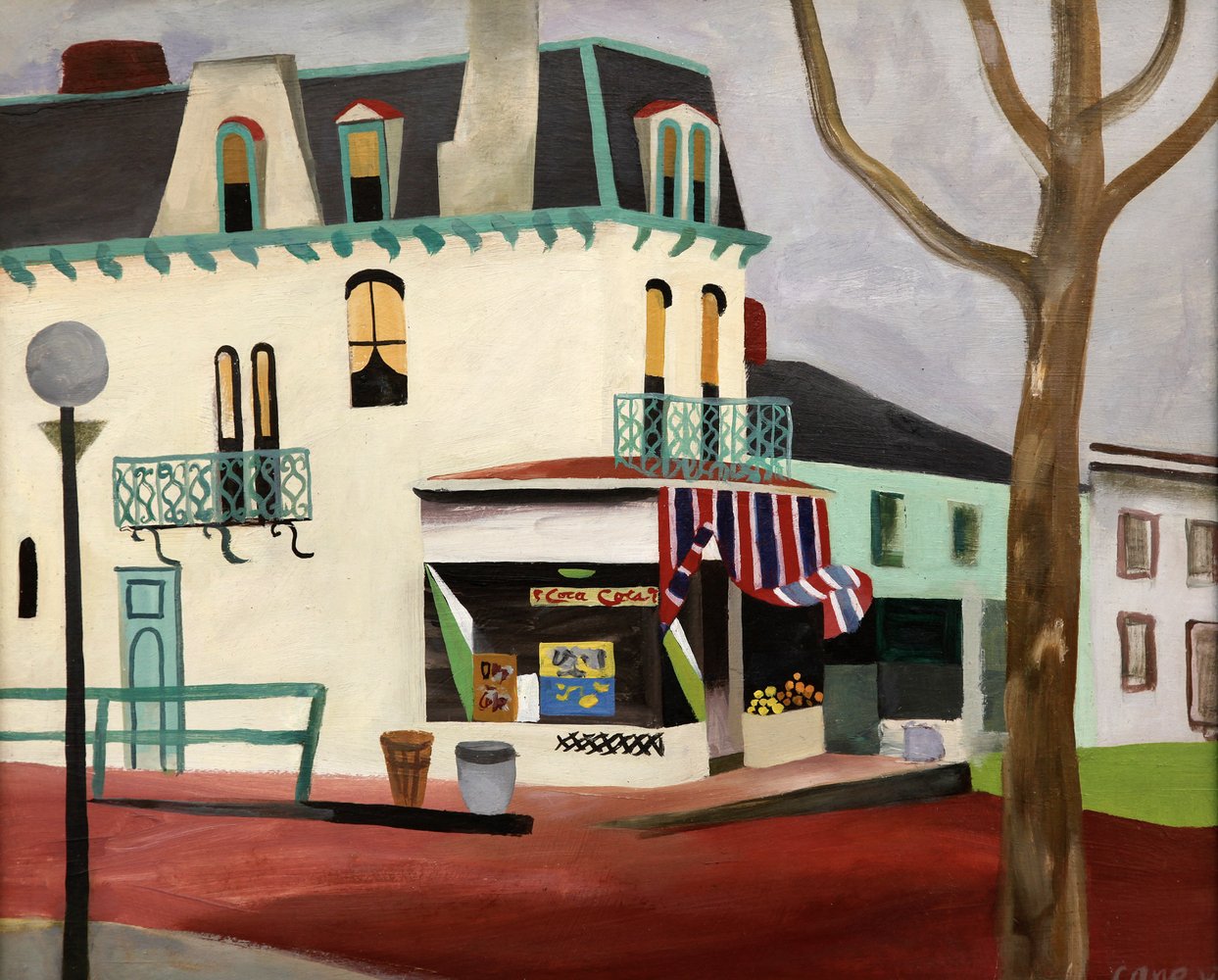
Stonybrook, 1947, Oil on board, 18 x 22 inches
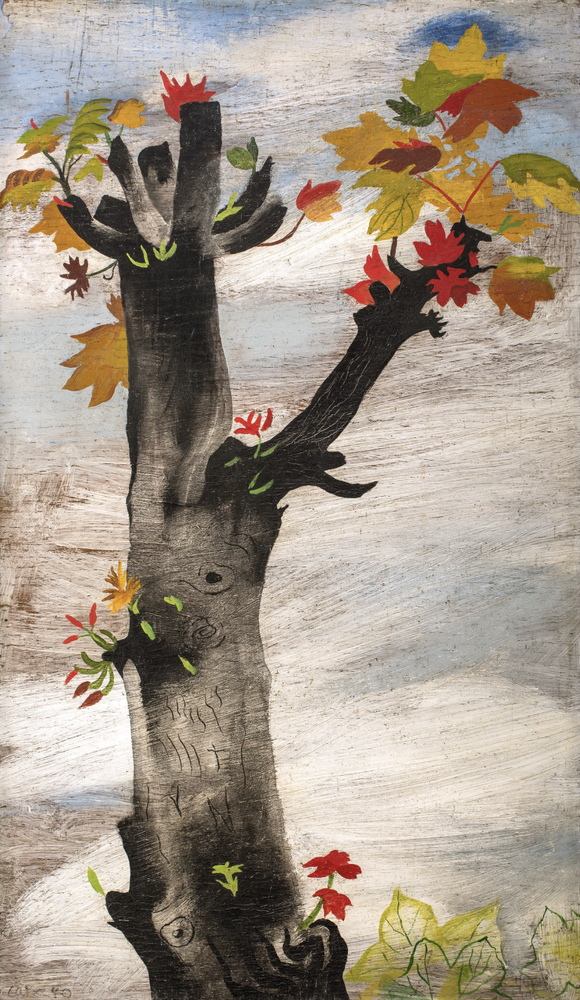
Twisted tree, 1940, Oil on board, 20 x 12 inches